


Extermital is tickled pink to support breast cancer awareness...click here for more information & how you can be pink also!
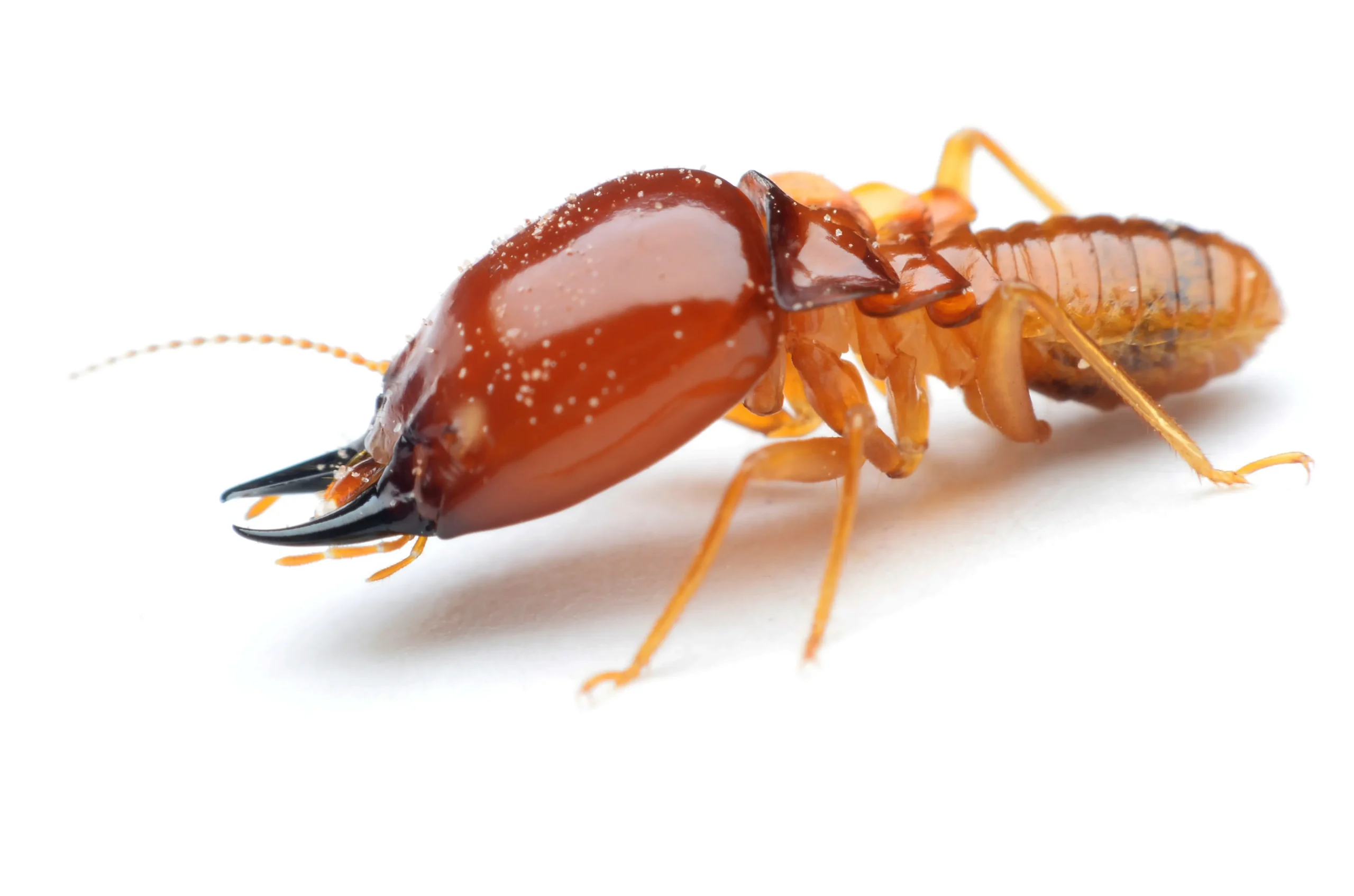
Facts, Identification & Control
Subterranean termites account for the majority of termite damage across the United States. Common species include eastern subterranean, western subterranean, and Formosan subterranean termites. These insects feed on cellulose, which is found in all plant-based materials. Any wood in a home can become a food source, and termites may even chew through non-wood materials while searching for food. Because they stay out of sight, infestations often remain hidden until damage becomes severe.
Subterranean termites nest in the soil and feed on plant material found in wood and other sources. These termites build mud tubes to protect themselves from predators and dehydration as they move between the ground and feeding areas. During swarming events, winged termites are attracted to light and may gather near doors and windows. After landing, they shed their wings and pair off to establish new colonies. Finding earth-colored mud tubes along foundations or walls is a strong sign of subterranean termite presence.
Because termites rely on cellulose for food, wood throughout a home can become a target. Termite infestations tend to go unnoticed for years, as the insects remain hidden while causing damage. Swarming termites or the discovery of their wings is a clear sign that termites are present. While winged termites are frequently mistaken for ants, most ants found in homes are only a nuisance and do not damage wood, except for carpenter ants. Preventing or managing subterranean termites requires the expertise of a professional exterminator.
"*" indicates required fields

“Take care of the customers you have, and you’ll always have customers to take care of!”.
Your satisfaction is our goal. If you aren’t completely satisfied, we will work with you until you are.
Terry Teague - President of Extermital.
Serving Ohio, Kentucky, Indiana